
- Alabama
- Alaska
- Arizona
- Arkansas
- California
- Colorado
- Connecticut
- Delaware
- Florida
- Georgia
- Idaho
- Illinois
- Indiana
- Iowa
- Kansas
- Kentucky
- Louisiana
- Maine
- Maryland
- Massachusetts
- Michigan
- Minnesota
- Mississippi
- Missouri
- Montana
- Nebraska
- Nevada
- New Hampshire
- New Jersey
- New Mexico
- New York
- North Carolina
- North Dakota
- Ohio
- Oklahoma
- Oregon
- Pennsylvania
- Rhode Island
- South Carolina
- South Dakota
- Tennessee
- Texas
- Utah
- Vermont
- Virginia
- Washington
- West Virginia
- Wisconsin
- Wyoming
How to Conduct a Hawaii Business Entity Search
Page Navigator
- How to Conduct a Hawaii Business Entity Search
- Allowable Entity Types in Hawaii
- Why Search for a Hawaii Business Entity
- How to Search for Business Entities
- What Information Can You Find with the Department of Commerce and Consumer Affairs?
- How to Access Detailed Information
- What Business Entity Information is Not Public
- How to Find EIN and UCC Records in Hawaii
- EntityCheck Business Background Check Goes Further
- Alternative Resources Beyond the Hawaii Department of Commerce and Consumer Affairs
- How to Find the Owner of a Business Entity in Hawaii
- Additional Resources for Business Ownership Info
- Types of Owners and Their Roles
- Red Flags to Look for When Searching Business Entities
- Best Practices When Reviewing Business Entity Records
- How to Register an Entity in Hawaii
- How Much Does It Cost to Start a Business in Hawaii
- FAQs

As of 2019, there were 158,265 registered business entities in Hawaii. Sole Proprietorships account for the majority, chiming in at 77.9%. Between March 2021 and March 2022, the state saw a net increase of 2,098 registered businesses with 5,888 establishments opening, and 3,790 closing.
Registering a business in Hawaii offers several advantages, including limited liability protection, flexible profit distribution for LLCs, and access to state business incentives and programs. Additionally, Hawaii's geographic location, multicultural environment, and established entrepreneurial ecosystem are beneficial for certain types of businesses such as those in tourism and international trade. Hawaii serves as a unique gateway to both the U.S. and Asian markets. The state offers "pass-through" taxation for LLCs, avoiding double taxation and flexible profit distribution.
The most common types of businesses in Hawaii are tourism-related (hotels, restaurants, tours) and agriculture, driven by a tourism-dependent economy and natural resources. Other common business types include those in health and wellness, outdoor recreation, and hospitality, which cater to both residents and visitors. Although there are many more sole proprietorships in Hawaii, larger corporations generate the most revenue.
Allowable Entity Types in Hawaii

Hawaii allows for several business entity types, including Sole Proprietorships, Partnerships, Corporations, and Limited Liability Companies (LLCs). Corporations can be structured as C Corporations or S Corporations.
Sole proprietorships account for the majority (77.9%) of businesses in Hawaii, followed by LLCs and corporations.
Why Search for a Hawaii Business Entity
Before establishing a new business in Hawaii, you must check whether your chosen name is already in use. A Hawaii business search is also helpful in finding information on registered businesses and verifying a business's status before conducting any business with the company. It is also used to confirm details like a business's legal name, file number, and registration date, which helps in researching competitors, partners, and potential vendors.
Some key reasons to search for a Hawaii business entity are:
Check Name Availability: Before registering a new business, you can search to see if your desired name or a similar one has already been taken.
Find Business Information: You can look up details on a business, such as its official name, filing number, and registration date.
Verify a Business's Status: Check whether a business is active or inactive by reviewing its status.
Research Partners or Vendors: Searching for a business's entity information can help verify its legitimacy before entering into a partnership or purchasing its services.
Purchase Documents: Use the search tool to purchase official documents, such as a Certificate of Good Standing, directly from the state.
Authenticate Documents: You can authenticate certified documents or Certificates of Good Standing by using the search tool.
Find Businesses by Registered Agent: You can create a list of all businesses represented by a specific registered agent.
Conduct a Broader Search: For a more complete picture, you can check domain and trademark availability before registering your business name.
Assess Risk: A business's status can help identify potential risks, such as a company that is not in good standing.
Market and Industry Research: To analyze industry trends, identify growth areas, and understand the market landscape.
Legal Compliance: Searching proves you are following state rules for naming conventions and entity types before you file your official formation documents.
Preventing Issues: A proactive search can prevent the costly, time-consuming process of changing your name later if the name is already taken.
Ensure Tax Compliance: A unique business name is crucial for tax purposes, as it ensures your business is correctly identified and associated with its tax obligations.
Find a Business Organizer or Incorporator: If you know a founder's name, you can search for all the businesses they have been involved with.
Compliance: To check to see if a company is compliant with all local, state, and federal regulations.
Name Reservations: To see if a preferred name is available to be reserved for a limited time, which can help secure a domain name and other branding elements while preparing to register the business formally.
Before Investing: Conducting thorough due diligence when acquiring or investing in a business.
How to Search for Business Entities

Businesses are registered with the Business Registration Division of the Hawaii Department of Commerce and Consumer Affairs (DCCA). Individuals seeking information on entities and establishments in the state may contact the DCCA.
To search for business entities, visit the Hawaii Business Express (HBE) page of the Department of Commerce and Consumer Affairs website. On the HBE page, you can only search by business name. You may provide a partial or complete name of the business. However, the page's search tool includes a "search mode" feature that allows users to toggle between "contains" and "begins with."
What Information Can You Find with the Department of Commerce and Consumer Affairs?
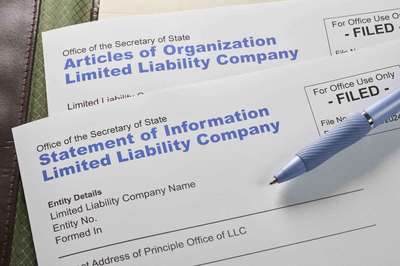
After providing part of the business name or the complete business name, click the search button to get a list of Hawaii-registered entities with that name. In addition to the names, you may access their status (expired, active, or merged), file number, and record type.
The Business Registration Division of the Hawaii Department of Commerce and Consumer Affairs provides further information and services, such as:
Online Services: The DCCA offers sign-up for DCCA alerts, business entity list builder, publicity rights name registration, and sustainable business corporations
Filing Tips: Helpful filing guidance for submitting documentation to the DCCA
How to Access Detailed Information

To access detailed information after searching on the HBE page of the Department of Commerce and Consumer Affairs website, click on the name of the business from the search results. This will open a page with further details about the business, organized into the following three tabs:
All Company Information: Includes certificate number, service mark, cross-reference name, file number, business status, business purpose, business category information, registration date, registrant information, mailing address, registration expiration date, and filing information.
Forms: Displays forms filed by the business with the state.
Buy Available Docs: Provides access to preview and purchase business documents.
If you need further assistance searching for business entities in Hawaii, contact the Business Registration Division of the Hawaii Department of Commerce and Consumer Affairs. The division is located at:
King Kalakaua Building335 Merchant Street, Rm. 201Honolulu, Hawaii 96813 Email:breg@dcca.hawaii.gov Phone: (808) 586-2727
Alternatively, you may send an email to the division at breg@dcca.hawaii.gov or call (808) 586-2727
What Business Entity Information is Not Public

In Hawaii, confidential information such as Social Security numbers, home addresses, bank account numbers, and specific details in an LLC's operating agreement is not public. Although the state requires certain identifying information for business registration, private details such as the members and ownership percentages of an LLC are protected by keeping them in internal documents rather than filing them with the state.
Some of the items that are kept private in Hawaii are:
Personal Details: Social Security numbers, home addresses, and birth dates.
LLC Member and Ownership Details: These are considered private and are not made public through state filings. They are detailed in an internal operating agreement, which is not filed with the state.
Other Information with a Significant Privacy Interest: The state's regulations require that such information be redacted or kept confidential to protect individual privacy.
Trade Secrets: Formulas, processes, methods, or other proprietary information that derives economic value from not being generally known to the public and is the subject of reasonable efforts to maintain its secrecy.
Private Employee Medical Records: Medical and health insurance information.
Customer and Employee Identifying Information: Identifying information like Social Security Numbers, driver's license numbers, and passport numbers.
Confidential Financial Data: This includes information from property tax returns, gross earnings reports, and other financial statements filed by certain regulated companies.
Confidential Government Communications: This includes confidential communications between government officials and their lawyers.
Information Submitted in Confidence: Any information voluntarily submitted to the state in confidence may be exempt from public disclosure.
Bank and Credit Card Numbers: Bank and credit card numbers, as well as loan information.
How to Find EIN and UCC Records in Hawaii

To find EIN records in Hawaii, you can search for the business on the Hawaii Business Express portal, use the IRS's Tax Exempt Organization Search if applicable, or check past documents like tax returns and bank statements for the EIN directly. While Hawaii does not have a specific state-run EIN lookup, a federal EIN is used for federal tax purposes and can be found through federal databases or business documents.
EntityCheck also offers a fast and easy EIN Lookup tool.
To find UCC liens against a Hawaii company, you must visit the Hawaii Bureau of Conveyances. This office provides public access to a variety of filings, including UCC filings.
An even easier way to find UCC records in Hawaii is to use EntityCheck's UCC Filings search tool.
EntityCheck Business Background Check Goes Further
An even more insightful way to search for Hawaii business entities and access additional information is to utilize EntityCheck's powerful search engine. Search quickly and easily by business name, EIN, owner, phone number, or email address. Along with the information above, you can dig deeper to find incredibly illuminating details such as:
 UCC Filings:Discover Uniform Commercial Code (UCC) filings, showing creditors' attachment to business assets. These files provide insight into the organization's financial stability by examining its standing debts and the risks they entail. Also find lien details, creditor and debtor information, filing and expiration dates, and collateral and asset claims.
 Court Cases:Evaluate a company's legal record to assess potential risks associated with its operations and identify any outstanding issues. Review bankruptcy filings, liens and judgments, federal court cases, litigation, and legal history of ongoing and past court cases.
 Licenses:Verify business credentials---including licenses, permits, and government certifications---as well as decision-makers' educational backgrounds to assess credibility.
 Filing & Compliance:Review a company's financial performance reports, DBAs (Doing Business As), and government Tax IDs.
 Trademarks & Patents:Find out what intellectual properties a company controls and review the details of any trademarks and patents it holds.
 Registered Individuals:Identify key decision-makers, registered agents, corporate officers, and leadership, even if this information is not readily available through official records.
Alternative Resources Beyond the Hawaii Department of Commerce and Consumer Affairs

You can find some information on the Hawaii Department of Commerce and Consumer Affairs website. However, to be thorough, you should also include other government agencies, as they may have valuable data not available elsewhere.
The following agencies may hold relevant information about Hawaii business entities:
Hawaii Department of Commerce and Consumer Affairs (DCCA): The Hawaii Department of Commerce and Consumer Affairs (DCCA) protects consumers and supports the business community in Hawaii by promoting a strong business environment and protecting the public from unfair and deceptive practices. Its functions include registering businesses, licensing professionals and financial institutions, investigating consumer complaints, and regulating industries like utilities and cable television.
Hawaii Department of Taxation: The Hawaii Department of Taxation is the state agency that oversees tax compliance and enforcement for the state. This office ensures that individuals and businesses are meeting their tax obligations in accordance with state laws and regulations.
Hawaii Department of Labor and Industrial Relations (DLIR): The Hawaii Department of Labor and Industrial Relations (DLIR) is responsible for ensuring the economic security, well-being, and productivity of Hawaii's workforce by administering employment laws and providing services like unemployment insurance and workforce development. It enforces laws related to workers' compensation, wage and hour standards, and industrial relations, and helps foster positive labor-management relationships. The DLIR also offers resources such as job training, resume help, and career guidance through its American Job Centers.
Contact each of the agencies above to see what information they can provide you.
How to Find the Owner of a Business Entity in Hawaii

Business owners' names are not directly listed in the search results available from the business entity database provided by the Hawaii Business Registration Division. However, the result typically lists an agent's name, which may be the business owner's. Also, owner names may be available in the documents on the "Buy Available Docs" tab in the business search results.
Additional Resources for Business Ownership Info

Other ways through which you may find the owner of a business entity include:
The Business's Website: You may be able to find the owner of a website by checking the "leadership", "about us", or another similar page on the website of the business. Many businesses provide information on their leadership, including their owner's name, on their website.
Chamber of Commerce: The Chamber of Commerce in Hawaii maintains a directory of local businesses and allows users to find companies across Hawaii. The directory may list contact details, business owners' names, or primary representatives.
WHOIS Lookup: Perform a WHOIS search to find the owner of the business's domain name.
Better Business Bureau (BBB): The BBB reviews businesses across the United States, including Alaska, and may provide information on business owners in the state.
Professional Networks: Check sites like LinkedIn, which may list owners and key personnel.
If your search yields no results, file a request under Hawaii's Uniform Information Practices Act (UIPA). This is a more formal process and is best used if other methods are unsuccessful.
Types of Owners and Their Roles

Ownership/leadership roles in Hawaii include strategic leaders such as CEOs and executive directors, operational leaders such as managers and supervisors, and specialized roles such as nonprofit directors, educators, and health administrators.
Business owners in Hawaii encompass a wide range of entrepreneurs who own and manage their companies, some of whom are listed among Hawaii's top companies and executives. The roles available in Hawaii are as follows:
Types of Leadership/Ownership Roles
Strategic and Executive Leadership: These leaders set the company's vision and often hold titles such as CEO, president, or executive director. They are responsible for strategic decision-making, managing finances, and guiding the organization's direction.
Operational Leadership: Managers and supervisors are accountable for the day-to-day operations of a team or department. They focus on implementing strategy, managing employees, and overseeing tasks.
Specialized Leadership: These roles are often tied to specific sectors:
Non-profit: Executive Directors or CEOs manage non-profit organizations, which can require skills in fundraising, finance, and human resources.
Education: Administrators, such as principals and superintendents, lead schools and districts.
Health: Health administrators lead hospitals, clinics, or other healthcare organizations.
Government: Government officials lead state and local agencies.
Types of Business Owners in Hawaii
Entrepreneurs and Small Business Owners: These individuals start and run their own businesses, ranging from small local shops to larger enterprises.
Corporate Business Owners: Individuals who own or are at the top of large corporations, often holding CEO or chairman positions.
Historical Business Owners: Historically, Hawaii's economy was dominated by a group of large corporations known as the "Big Five". While the corporate landscape has evolved, this history has shaped the development of business ownership in the state.
Different entity structures have various roles and types of ownership. Some individuals who have control over a company may not hold a traditional role within it. Leadership is a crucial factor to understand before working with a company.
Some of the more conventional roles within companies include:
Shareholders (or Stockholders): They own the corporation by purchasing stock, which grants them voting rights to elect the Board of Directors and influence major corporate decisions.
Directors: Directors set the strategic course for the corporation, make major decisions, and oversee the conduct of the officers.
Officers: Officers, such as presidents (CEO) and secretaries, manage the day-to-day operations of the business and are hired and fired by the Board of Directors.
Members: Members are the owners of the LLC. They can also serve as managers or delegate management to others. Members are typically protected from personal liability for the company's debts.
Managers: Managers, whether members or non-members, are responsible for managing the business and affairs of the LLC.
General Partners: They manage the business affairs as outlined in the partnership agreement. General partners are entirely liable for all business debts and obligations.
Limited Partners: Limited partners have limited management rights. Their liability is typically limited to their investment in the business, providing them with some protection from business debts.
Red Flags to Look for When Searching Business Entities

Watching out for red flags when searching for Hawaii businesses can help protect you against many types of danger. If you invest in or partner with a noncompliant, illegal, or financially troubled company, it could severely affect your company.
Some general red flags to watch out for are:
Poor Online Presence: The business has no professional website, no listings on industry-specific sites, and numerous negative customer reviews.
Lack of News Coverage: The business has no mentions in news stories, which could indicate it is new, not well-established, or operating in an unusual or less-regulated space.
Poor Online Reviews: A consistent pattern of negative reviews can point to poor customer service or a problematic product or service.
Other, more serious issues are categorized below.
Entity Status Problems

When searching for Hawaii companies, the first place to check is the Hawaii Business Express website, where you can verify the company's registration and legal standing. This could indicate that the company is attempting to operate under the radar without proper legal authorization.
Additionally, if the business name does not follow Hawaii's strict naming rules, it may be subject to additional regulations. This includes the use of incorrect abbreviations, punctuation, or forbidden words like "bank" or "insurance," which could also indicate something suspicious.
Some of the most common entity status problems in Hawaii include failing to file annual reports, failing to pay annual fees or taxes, having a dishonored payment, or failing to maintain an active registered agent. Other issues arise from failing to update the status after significant changes such as mergers, acquisitions, or a change in entity type, and from not filing the proper dissolution documents when closing the business.
Try EntityCheck to verify a company's status.
Inconsistent or Suspicious Information

Another serious red flag is inconsistent or suspicious information. Mismatched details or different spellings of the company name in multiple locations could indicate a lack of transparency or an attempt to deceive. For example, a generic email address (such as a Gmail address) or a P.O. Box instead of a physical address could indicate illegal activity.
Be cautious about frequent changes to the address or registered agent, as this may indicate instability or an attempt to evade service of process.
Although Hawaii does not require you to register a DBA, companies could still be operating under a name different than their registered name. Check for any DBAs as well to find alternate details for a business.
Ownership and Management Concerns

How a company is managed matters. Additionally, how it treats its employees may indicate the owners' ethics and how they may operate under a partnership agreement. Look for things like:
Poor Communication: A company that is reluctant to provide information or has poor communication channels is a major red flag.
Lack of Relevant Licenses: Verify that the business holds all necessary licenses for its industry. An expired, recently acquired, or missing license indicates non-compliance.
Unverifiable Claims: Be skeptical of any claims that are difficult to verify. If the business can't or won't provide proof of ownership documents, such as Articles of Organization, it's a concern.
The most common employment lawsuits in Hawaii include wrongful termination, discrimination, and harassment. Other common claims include wage and hour disputes (such as unpaid wages) and workplace injuries (workers' compensation). These issues often overlap; for example, wrongful termination may result from discrimination or retaliation.
Financial and Legal Warning Signs

Before doing business with a company, continually evaluate its financial viability. A company in financial trouble may sink you along with it if you are not careful.
Walk away if a company is unwilling to provide clear, complete financial information. Either they have accounting issues or are trying to hide something.
Look for high levels of debt, which can be a major financial risk and may lead to future bankruptcy.
Watch out for pending lawsuits or tax issues. Unresolved legal or tax issues can lead to costly, reputation-damaging problems for the business.
Another issue is whether the company has a single customer that accounts for most of its revenue. This is risky if something happens to that relationship.
The most common business lawsuits in Hawaii are breach of contract, employment-related disputes (including wrongful termination and discrimination), and personal injury claims (including product liability and defective service claims). Hawaii also sees large-scale cases, such as those filed against large corporations for deceptive practices or environmental damage.
Compliance Gaps

Common business compliance issues in Hawaii, similar to other states, include employee misclassification, wage and hour violations, workplace safety issues, and data privacy breaches. Other common risks include tax and payroll errors, as well as failure to comply with specific state or local regulations, such as environmental standards or industry-specific laws.
Confusing employees with independent contractors can lead to significant legal penalties. Businesses must correctly track hours, pay at least the minimum wage, and adhere to overtime rules. Failing to file taxes or making payroll mistakes are common and costly compliance issues.
Not following state and federal OSHA requirements for a safe working environment is a major risk.
Businesses must protect sensitive customer and employee data and comply with data breach notification requirements. If a company fails to do this, steer clear.
Depending on the industry, businesses must comply with Hawaii's environmental laws, including those governing water quality, invasive species, and air quality. Specific sectors may have unique compliance rules that businesses must follow.
Connections & Affiliations
A company's connections and affiliations can tell quite a story. Sometimes one person runs multiple dissolved/failed companies. Look for repeat patterns of dissolutions followed by new formations. That is a significant indicator of potential fraud. One thing to be cautious of is a company with ties to organized crime figures and politically exposed persons (PEPs). If the company makes a concerted effort to conceal its actual owner or person in charge, that should be a clear warning to stay away.
Some red flags in broader business records include the following:
Inconsistent Public Records
Company filings don't match what's listed in:
Court records
Tax records
Property ownership filings
An example of this is that the registered address differs from the address in lawsuits or liens.
Poor Record-Keeping
Missing meeting minutes (for corporations).
No updated ownership/member list for LLCs.
Lack of transparency in accounting records.
Regulatory Issues
Fines, sanctions, or loss of licenses with state agencies.
Businesses flagged by the Better Business Bureau or the Attorney General's office.
Unusual Patterns
Very recent incorporation with sudden high activity.
Foreign entities registered but not compliant with local laws.
Shell-company indicators (multiple entities tied to the same registered agent at the same address).
Best Practices When Reviewing Business Entity Records

Utilize the best practices outlined below to maximize the benefits of your research. A business background check can take time, but it can yield a wealth of information that could help you avoid any costly mistakes.
Cross-reference everything.
Compare the UCC filing data with records from litigation and bankruptcy courts. Look for discrepancies between the documents.
Check annual reports for consistency year-over-year.
Research the owners of a company to detect possible bankruptcies, felonies, fraud, and other legal issues that could affect your business.
Use business verification services or business background reports from EntityCheck.
Keep in mind the context. For example, a single lien may not be alarming, but multiple filings, lawsuits, and frequent leadership turnover together signal real risk.
How to Register an Entity in Hawaii

Setting up a business entity in Hawaii takes several steps. After assembling your team to include necessary professionals (such as attorneys, insurance agents, vendors, consultants, accountants, bankers), you may take the following steps to set up a business entity in Hawaii:
Register with the Business Registration Division of the DCCA: You and your team must decide which business structure suits your entity. After, visit the HBE portal on the DCCA website to complete the application process.
Obtain a Federal Employer Identifier Number (FEIN): You may apply for a FEIN via the IRS website or call the agency toll-free at (800) 829-1040.
Obtain General Excise Tax License: Form BB-1, used to obtain a general excise tax license, is available on the Hawaii Department of Taxation website. You may also complete the application online via the HBE portal.
Obtain licenses and permits: In Hawaii, businesses must obtain a general business license (or business tax certificate) issued by the city or municipality. Each town has unique requirements, and companies operating in multiple locations must apply separately in each city. Additional permits may be required at the county or state level. Check with local city offices to identify specific licensing needs.
Open a Business Banking Account: Once you have obtained a FEIN and completed the tax essentials, you may proceed to open a business bank account in Hawaii. LLCs, LLPs, and corporations must have a business bank account, while unincorporated partnerships and sole proprietors are not required to open a separate business account. To open a business account, visit a local bank to complete the requisite paperwork.
How Much Does It Cost to Start a Business in Hawaii

The cost of starting a business in Hawaii varies depending on factors such as business structure, required licenses and permits, and additional services that the company may render. When looking to start a business in Hawaii, you may expect to incur the following expenses:
Business Registration Fees: Filing fees for registering a business with Hawaii's Department of Commerce and Consumer Affairs (DCCA) start at $15 for sole proprietorships or general partnerships. LLCs and corporations have higher filing fees, such as $51. Expedited processing is available for an additional $50.
General Excise Tax (GET) License: All businesses operating in Hawaii must obtain a GET license. The one-time application fee is $20.
Trade Name Registration: If a business intends to operate under a name different from the legal name, a trade name registration costs $50.
Registered Agent Fees: Hiring a registered agent may cost $100 to $300 annually, depending on the provider.
Business Licenses and Permits: Specific industries and counties may require additional permits or licenses (e.g., liquor licenses or zoning permits). Costs vary by location and type.
Hawaii business names must be unique, not substantially similar to existing names, and include specific words or abbreviations for certain business structures, like "LLC" for limited liability companies. The name availability can be checked using the Hawaii Business Express search tool, and you can reserve a name before officially registering it.
When naming your new company, you must follow Hawaii's strict naming guidelines. They are as follows:
Uniqueness: The name must be distinguishable from existing businesses registered with the state.
Availability Check: Use the Hawaii Business Express website to search for name availability.
Reservation: You can reserve a name with the Hawaii Business Registration Division for a fee while you complete the official registration.
Limited Liability Companies (LLCs): The name must contain "Limited Liability Company," "limited company," or one of the acceptable abbreviations like "LLC" or "L.L.C".
Corporations: The name must include "Corporation," "Incorporated," "Limited," or their abbreviations.
Limited Partnerships: The name must include "Limited Partnership" or the abbreviation "L.P." or "LP".
Restricted Words: Certain words, such as "bank" or "insurance," may be restricted unless specific approval is obtained.
Hawaiian Language: Be aware of restrictions on using generic, descriptive, or geographically descriptive words, even if they are in the Hawaiian language.
Fictitious Names (DBA): You can use a different name for business operations by registering a "Doing Business As" (DBA) or fictitious name.
FAQs
- How do I look up who owns an LLC in Hawaii (members vs. managers)?
To find the owner of a Hawaii LLC, search the Hawaii Business Express website using the LLC's name to find its registration details, which may include managers but often not the members. For more detailed ownership information, you may need to file a public information request, check the company's website or other public records, or contact the registered agent directly.
- How can I find a corporation's officers and directors in the state?
You can find a corporation's officers and directors in Hawaii by searching the Hawaii Business Express website, which is operated by the Hawaii Business Registration Division (BREG). You can also look for publicly available documents from the Hawaii Department of Commerce and Consumer Affairs (DCCA) or purchase a local business directory. You can also use EntityCheck's handy business search tool for finding directors, officers, and associates of a Hawaiian company.
- Are business owners' names public or private in Hawaii?
In Hawaii, the names of business owners are generally public information if the business is a corporation, LLC, or partnership, as these names are typically required to be filed with the state. Sole proprietors using a trade name also have their owner information publicly available through the state's business name search. You can find this information through the Hawaii Business Express online search tool.
- Where do I search official business records in the state?
You can search official business records in Hawaii through the Hawaii Business Express for business registration documents or the Bureau of Conveyances for property-related records. The Business Registration Division (BREG) website allows you to search for businesses, purchase documents like a Certificate of Good Standing, and authenticate records. The Bureau of Conveyances handles property documents, such as deeds and mortgages.
- How do I check if a business name is available or reserved in Hawaii?
To check if a business name is available in Hawaii, use the free Hawaii Business Express tool on the Department of Commerce & Consumer Affairs (DCCA) website to search the state's business entity database. Go to the search page, enter the name, and review the results to see if it's already in use. You should also check for trademarks on the USPTO website and search for domain name availability.
- How can I view recent filings (Articles, amendments, mergers, annual/biennial reports) for a company in Hawaii?
You can view a company's filings in Hawaii by searching the Hawaii Business Express website, where you can find annual reports and other business registration documents. For publicly traded companies, you can also find filings like annual reports, mergers, and amendments on the SEC's EDGAR database.
- How do I get a Certificate of Good Standing/Existence in Hawaii?
You can get a Certificate of Good Standing in Hawaii by ordering it online through the Hawaii Business Express portal. First, use the search function to find the business, then click on its record to find the option to buy documents. Select the Certificate of Good Standing and follow the steps to complete the purchase and receive the certificate.
- How do I obtain certified copies of formation documents and amendments in the state?
You can obtain certified copies of formation documents and amendments in Hawaii by ordering online through the Hawaii Business Express portal, or by mailing, emailing, or calling the Department of Commerce and Consumer Affairs, Business Registration Division. The online process involves searching for the business, selecting the record, and choosing the "Buy Available Docs" option on the last tab, which allows you to purchase certified copies for an additional fee.
- How do I search UCC (Uniform Commercial Code) liens against a company in Hawaii?
To search for UCC liens against a company in Hawaii, go to the Hawaii Business Express website and use their online search tool. You can also search the Secretary of State's UCC database or use a third-party service like EntityCheck to quickly and easily find UCC filings.
- What are the steps to register an LLC in Hawaii (forms, fees, timeline)?
To register an LLC in Hawaii, you need to choose a unique name, appoint a registered agent, and file the "Articles of Organization" (Form LLC-1) with the Department of Commerce and Consumer Affairs (DCCA). The filing fee is $51, and standard processing takes 3–5 business days, though expedited service is available for an extra $25. You should also obtain an EIN from the IRS.
- What are the steps to incorporate (C-Corp/S-Corp) in Hawaii?
To incorporate in Hawaii, you must first file Articles of Incorporation with the Department of Commerce and Consumer Affairs (DCCA), choose a unique name, and designate a registered agent. After the initial filing, hold an organizational meeting, adopt bylaws, issue stock, and obtain a federal Employer Identification Number (EIN) and state and local licenses. To be taxed as an S-Corp, you must also file IRS Form 2553.
- Do I need a registered agent in the state, and who can serve as one?
Yes, every business in Hawaii must have a registered agent to receive legal and official documents. This agent can be an individual who is a Hawaii resident or a business entity authorized to do business in the state, as long as they have a physical street address in Hawaii and are available during regular business hours.
- What annual reports, franchise/margin taxes, or license renewals are required in Hawaii?
Most businesses in Hawaii are required to file an annual report. This requirement applies to corporations, LLCs, and partnerships and is managed by the Hawaii Department of Commerce and Consumer Affairs (DCCA). The report's due date depends on the business's formation quarter and is used to keep the state updated on the company's information.
Hawaii does not impose a franchise or margin tax on businesses.
You do need a business license in Hawaii, and you'll likely need more than one depending on your business type and location. All businesses are required to get a General Excise Tax (GET) license from the state, and you may also need other state, county, or federal permits and licenses for your specific industry and location.
- How long does state approval take in Hawaii, and are expedited options available?
State approval times in Hawaii vary widely by process, but expedited options are available for some services, such as business registration. Standard business registration takes 3–5 working days, while an expedited option takes 1 day for an extra fee. However, professional licensing can take 45–60 business days, apostilles 7–10 business days, and some health-related permits may take 90 days or more, with no expedited services available for these.
- Do I need to foreign-qualify to do business in Hawaii if my company is formed elsewhere?
Yes, you must foreign-qualify your company in Hawaii if you plan to "do business" there, which typically includes hiring employees, owning property, or having a physical location. To foreign-qualify, you need to apply with the Hawaii Department of Commerce and Consumer Affairs (DCCA) and pay the required fees.
- What activities count as "doing business" in the state?
You generally need to foreign-qualify if your company engages in activities such as:
- Hiring and maintaining W-2 employees in Hawaii.
- Holding real property (e.g., office or rental property) in Hawaii.
- Having a brick-and-mortar location, like an office, or a sign displaying your company name.
- Requiring special licenses for your profession (e.g., mortgage, real estate, contractors).
- How do I file a DBA/fictitious business name in Hawaii, and is county/city filing required?
To file a DBA/fictitious business name in Hawaii, register with the state's Department of Commerce and Consumer Affairs (DCCA) through the Hawaii Business Express website or by mail using Form T-1. You do not need to file separately with your city or county, as the state handles all business registrations.
- How do I change my company's name, address, officers, or members with the state?
To change your company's information in Hawaii, you must file an Amendment for name changes and significant address changes, use the Hawaii Business Express (HBE) online portal for other changes like officers, directors, or member/manager addresses, or file an amended annual report for errors in the previous year's filing.
- How do I reinstate or revive a company that's been administratively dissolved in Hawaii?
To reinstate a dissolved company in Hawaii, you must file an Application for Reinstatement (Form X-4) with the Hawaii Department of Commerce and Consumer Affairs, resolve the issues that caused the dissolution (such as filing missing annual reports), and obtain a tax clearance certificate from the Hawaii Department of Taxation. You will also need to pay the required fees, including a $25 filing fee for the application. The completed application and supporting documents can be submitted by mail, fax, or in person.
- Do I need to file Beneficial Ownership Information (BOI) with FinCEN, and how does that interact with Hawaii filings?
No, many U.S. companies no longer need to file Beneficial Ownership Information (BOI) with FinCEN. This is because the Corporate Transparency Act (CTA) requirement for domestic entities was removed as of March 26, 2025. However, the state of Hawaii may have its own filing requirements, and any foreign companies still need to file with FinCEN by the new deadlines.
Page Navigator
- How to Conduct a Hawaii Business Entity Search
- Allowable Entity Types in Hawaii
- Why Search for a Hawaii Business Entity
- How to Search for Business Entities
- What Information Can You Find with the Department of Commerce and Consumer Affairs?
- How to Access Detailed Information
- What Business Entity Information is Not Public
- How to Find EIN and UCC Records in Hawaii
- EntityCheck Business Background Check Goes Further
- Alternative Resources Beyond the Hawaii Department of Commerce and Consumer Affairs
- How to Find the Owner of a Business Entity in Hawaii
- Additional Resources for Business Ownership Info
- Types of Owners and Their Roles
- Red Flags to Look for When Searching Business Entities
- Best Practices When Reviewing Business Entity Records
- How to Register an Entity in Hawaii
- How Much Does It Cost to Start a Business in Hawaii
- FAQs